Backcountry Skiing for Women: The Gear That Actually Makes a Difference
Sep 7th 2026
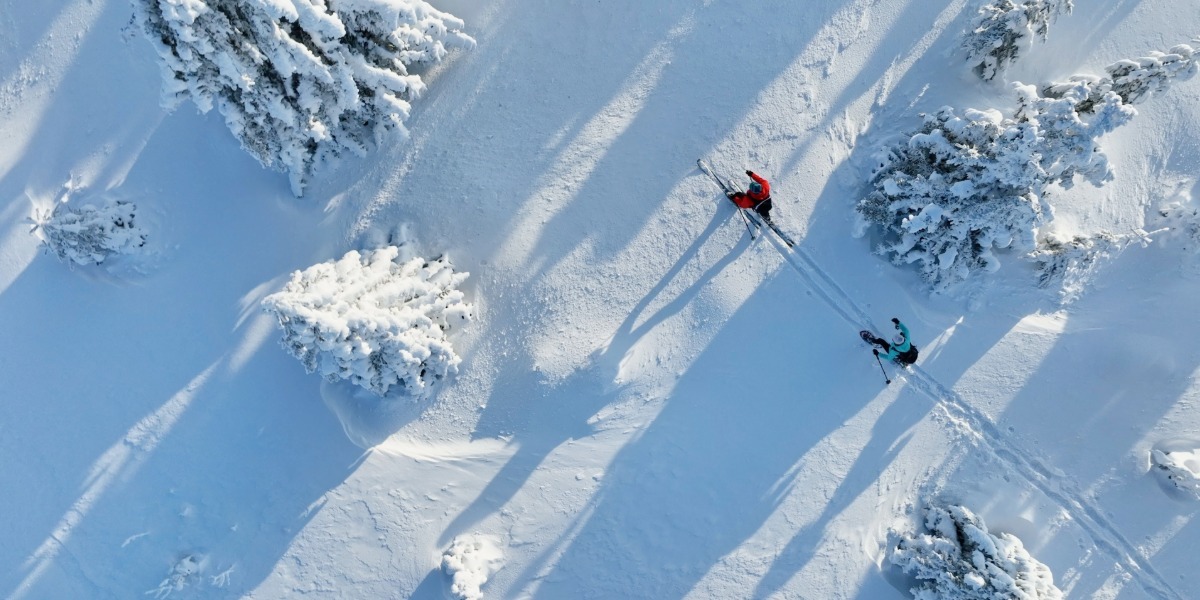
The Best Women's Backcountry Ski Gear: A Guide to Choosing Skis, Boots, Bindings & More
If you're ready to trade lift lines for skin tracks, welcome to one of skiing's most rewarding adventures.
Backcountry skiing offers fresh tracks, quiet mountains, incredible scenery, and the satisfaction of earning every turn. But it also asks more of both you and your gear. Every step uphill is powered by your own legs, which means weight matters. Fit matters. Breathability matters. And when you're miles from the nearest ski patrol, reliability and safety matter more than ever.
At outdoor DIVAS, we've spent more than two decades helping women find equipment that actually fits their bodies and the way they ski. We see the same challenges every season: boots that crush toes but still allow heel lift, packs that are too long through the torso, gloves that are bulky through the fingers, and jackets that fit everywhere except the arms.
The right gear doesn't just make backcountry skiing more comfortable. It helps you move more efficiently, conserve energy on the climb, stay warmer throughout the day, and ski with greater confidence when it's time to head downhill.
Whether you're planning your first guided tour or dreaming of bigger objectives, this guide will walk you through the essential women's backcountry gear, from skis and boots to climbing skins, avalanche equipment, and layering systems.
Why Women's-Specific Backcountry Gear Matters
Women's-specific gear isn't simply smaller or a different color.
Many manufacturers now design equipment around differences in body proportions, center of gravity, foot shape, and biomechanics. While every skier is unique, women commonly benefit from equipment designed for:
- Narrower heels and lower-volume ankles
- Lower calf muscles and shorter lower legs
- Shorter torso lengths
- Smaller hand shapes
- Different weight distribution and balance
When gear matches your body, everything works better. Boots hold your heel more securely, packs carry weight comfortably, gloves allow better dexterity, and skis respond more predictably.
Those improvements aren't just about comfort. They reduce fatigue, improve efficiency, and allow you to focus on terrain instead of constantly adjusting your equipment.
Choosing the Right Backcountry Skis
Your skis influence every part of the day, from the climb to the descent.
The lightest ski isn't always the best ski, and the widest ski isn't always the most fun. The right choice depends on where you ski, how often you tour, and what kind of snow you typically encounter.
For New Backcountry Skiers
A versatile all-mountain touring ski is often the best place to start. Look for moderate weight, predictable handling, and enough width to perform in a variety of snow conditions without feeling cumbersome.
For Long Tours
If you're planning long approaches or significant elevation gain, every ounce matters. Lightweight skis reduce fatigue and make climbing noticeably more enjoyable.
For Powder-Focused Skiers
Wider skis provide additional flotation in soft snow and can make deep powder days feel effortless. Keep in mind that added width also adds weight, so finding the right balance is important.
For Variable Snow
Most skiers spend far more time skiing mixed conditions than perfect powder. A versatile all-mountain touring ski often delivers the best overall experience throughout the season.
Finding the Right Backcountry Ski Boots
If there's one place we encourage skiers not to compromise, it's boots.
Backcountry boots perform two very different jobs. They need to walk efficiently during long climbs while providing enough support and precision for confident descents.
Look for:
| Feature | Why It Matters |
|---|---|
| Walk Mode | Allows greater ankle mobility while climbing. |
| Weight | Lighter boots reduce fatigue on long tours. |
| Heel Hold | Prevents blisters and improves ski control. |
| Proper Flex | Softer for newer skiers, stiffer for more aggressive descents. |
At outdoor DIVAS, we believe proper boot fitting is the foundation of every backcountry setup. The lightest boot in the world won't perform well if your foot moves inside it.
Understanding Touring Bindings
Bindings connect everything.
Most backcountry skiers choose between lightweight tech bindings and hybrid bindings that combine touring efficiency with more alpine-like downhill performance.
Tech bindings are significantly lighter and make climbing easier, while hybrid options appeal to skiers who split their time between the resort and the backcountry.
Whatever you choose, your skis, boots, and bindings must all be compatible and professionally adjusted.
Choosing Climbing Skins
Climbing skins are what make uphill travel possible.
Attached to the base of your skis, skins grip the snow while allowing the ski to glide forward with each step.
What to Look For
Grip vs. Glide
Some skins prioritize traction for steeper terrain, while others glide more efficiently over long distances. Most recreational skiers are happiest with a balance of both.
Material Choices
Mohair
Excellent glide and lightweight performance, making it a favorite for longer tours.
Nylon
Offers maximum durability and outstanding grip, particularly on steeper or icier climbs.
Mohair/Nylon Blends
A popular choice because they combine good glide with dependable traction.
Proper Fit
Skins should closely match the dimensions of your skis and be trimmed so your steel edges remain exposed for traverses and side-hilling.
A properly fitted skin makes climbing more efficient and conserves valuable energy for the descent.
Don't Forget Ski Crampons
While skins handle most conditions, icy traverses and firm spring snow sometimes require additional traction.
Ski crampons attach directly to compatible touring bindings and bite into hard snow while allowing your skins to continue gliding.
They're lightweight, easy to pack, and can dramatically improve safety when conditions become firm.
Layering for the Backcountry
Unlike resort skiing, backcountry touring means you're constantly transitioning between working hard uphill and cooling off on the descent.
The key is a flexible layering system.
Start with a moisture-wicking base layer, add an insulating mid-layer, and finish with a breathable waterproof shell that can handle changing mountain weather.
Look for features like pit zips, articulated sleeves, stretch fabrics, and women's-specific fits that allow unrestricted movement while skinning.
Backpacks Designed for Women
A properly fitted backpack is easy to overlook until you've spent several hours climbing.
Women's-specific packs often feature:
- Shorter torso lengths
- Curved shoulder straps
- Hip belts designed for women's anatomy
- Better load distribution
- Dedicated avalanche gear compartments
A well-fitting pack feels balanced while climbing and remains stable during the descent.
Accessories Worth Investing In
Some of the smallest pieces of gear make the biggest difference.
We recommend:
- Adjustable poles for changing terrain
- Well-fitting gloves that preserve dexterity
- Extra gloves for storm days
- Neck gaiter or buff
- Goggles with lenses for changing light conditions
- Sunglasses for sunny skin tracks
- Insulated water bottle or thermos
Small comforts add up over a long day in the mountains.
Avalanche Safety Always Comes First
No piece of gear is more important than the knowledge to use it.
Every backcountry skier should carry:
- Avalanche beacon
- Probe
- Shovel
Just as importantly, take an avalanche education course, practice regularly with your rescue gear, check the local avalanche forecast before every tour, and ski with experienced partners whenever possible.
The best equipment in the world can't replace good decision-making.
Fueling for a Long Day
Backcountry skiing burns an incredible amount of energy.
Pack more water than you think you'll need, bring high-energy snacks that are easy to eat with gloves on, and plan regular breaks to stay fueled throughout the day.
Good nutrition supports better decision-making as much as physical performance.
Ready to Explore Beyond the Resort?
The right backcountry setup isn't about buying the lightest ski or the most expensive boot. It's about building a system that fits your body, your skiing style, and the terrain you want to explore.
At outdoor DIVAS, we've spent more than 20 years helping women find gear that performs as well as it fits. Whether you're choosing your first touring setup or upgrading equipment you've trusted for years, we're here to help you make confident decisions before you head into the mountains.
Because when your boots fit, your skins climb efficiently, your pack carries comfortably, and your gear disappears beneath you, the backcountry becomes exactly what it should be: challenging, empowering, unforgettable, and a whole lot of fun.