What Exactly Is Off-Piste Skiing? Definitions, Skill Levels, and Equipment Required
Mar 2nd 2026
What is Off-Piste Skiing?
If you are searching “off piste meaning” or “what is off piste skiing,” you are not alone. Off-piste is one of the most commonly used terms in skiing, and also one of the most misunderstood.
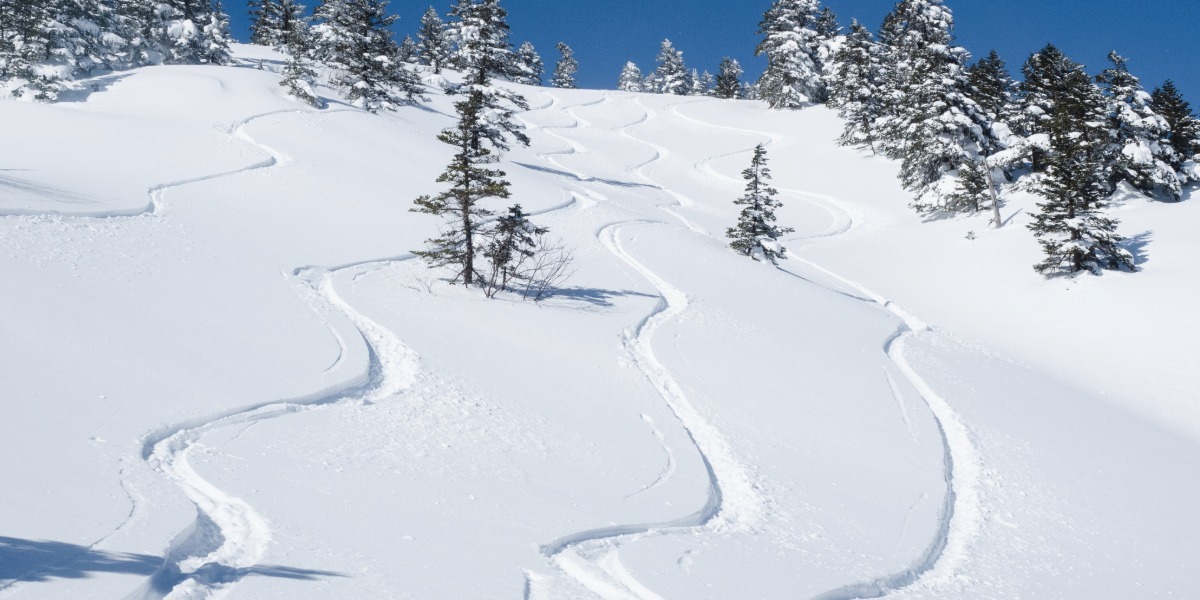
In simple terms, off-piste skiing means skiing off the groomed trails, on natural, ungroomed snow.
In the United States, people use “off-piste” to describe two slightly different things:
• Ungroomed terrain inside a ski resort boundary
• Terrain outside the resort boundary
That distinction matters.
Off Piste Meaning
The term “off-piste” comes from French and literally means “off the track” or “off the marked trail.”
In skiing, off-piste refers to terrain that is not groomed and often not marked as a traditional run. This can include:
• Powder fields
• Moguls and bump runs
• Trees and glades
• Steeper natural pitches
• Windblown snow
• Chop and variable snow
Off-piste skiing is about natural terrain, not perfectly manicured corduroy.
What Is Off-Piste Skiing in Colorado?
In Colorado, most people use the term “off-piste skiing” to describe inbounds ungroomed terrain.
That means you are still inside the ski resort boundary, but skiing natural snow instead of groomed runs.
However, Colorado resorts also have boundary gates that access terrain outside the resort. Once you cross that boundary, you are in backcountry terrain that is not maintained or patrolled.
At Vail, this distinction is important.
You can experience incredible off-piste skiing inside the resort in:
• The Back Bowls
• Blue Sky Basin
• Ungroomed sections throughout the mountain
These areas offer a true off-piste feel while remaining inside resort boundaries when open.
If you leave the boundary through a gate, that is considered backcountry terrain.
Off-Piste vs Backcountry vs Sidecountry
These terms often get mixed up, but they are not the same.
Inbounds Off-Piste
Ungroomed terrain inside the resort boundary. Ski patrol is responsible for the area when open.
Sidecountry
Terrain accessed from a resort lift but outside the official boundary. It may feel close to the resort, but it is not patrolled.
Backcountry
Terrain completely outside resort boundaries. No grooming. No patrol. No avalanche mitigation.
If you are unsure where you are skiing, stop and confirm before proceeding.
What Skill Level Is Needed for Off-Piste Skiing?
Off-piste skiing requires more adaptability than groomed runs. Snow conditions change constantly.
Beginner
Most beginners should stay on groomed terrain. Ungroomed snow can feel unpredictable and exhausting.
Intermediate
Intermediates can begin with:
• Low-angle powder
• Small ungroomed sections next to groomers
• Soft bumps
Advanced
Advanced skiers can handle:
• Steeper moguls
• Tree runs
• Chopped powder
• Variable snow conditions
Expert
Experts can manage:
• Sustained steep terrain
• Deep snow in tight trees
• Complex terrain choices
• Higher consequence lines
Taking a lesson focused on ungroomed skiing can dramatically improve confidence and technique.
Equipment Required for Off-Piste Skiing
If you are skiing off-piste inside resort boundaries, you do not need touring gear. But you do need equipment that handles variable snow.
Skis for Off-Piste Skiing
A wider all-mountain ski performs better in soft snow and chop than a narrow carving ski.
Too narrow can feel grabby in crud. Too wide can feel sluggish on firm sections. Finding the right balance matters.
Ski Boots That Fit Properly
Off-piste skiing demands control. If your boots are too big or too soft, you will struggle more than necessary.
A proper boot fit makes ungroomed terrain dramatically more manageable.
Book a Boot Fit
Shop Women’s Ski Boots
Helmets and Goggles
Flat light is common in bowls and alpine terrain. High-contrast lenses improve visibility and reduce fatigue.
Layering for Variable Conditions
Off-piste skiing is more physical. You will generate more heat. Breathable layers are essential.
• Merino or technical base layers
• Midlayers that regulate temperature
• Shell jackets that block wind without trapping moisture
If You Go Beyond the Boundary
If you choose to ski outside resort boundaries, the equipment and preparation requirements change significantly.
Avalanche education and proper safety gear are critical. This includes:
• Avalanche transceiver
• Probe
• Shovel
• Training and partner awareness
Terrain beyond resort boundaries is not maintained or patrolled.
Off-Piste Skiing Tips
• Maintain an athletic stance
• Stay centered over your skis
• Keep turns smooth and controlled
• Adjust speed to match snow conditions
• Choose terrain appropriate for the day
Ungroomed snow rewards patience and good technique.
Where to Ski Off-Piste in Vail
Vail offers some of the most iconic inbounds off-piste skiing in Colorado.
The Back Bowls provide expansive alpine terrain with natural snow and big mountain feel.
Blue Sky Basin delivers more tree skiing and playful lines while remaining inside the resort boundary when open.
These areas give you the thrill of off-piste skiing without immediately stepping into unmanaged backcountry terrain.
The Bottom Line
Off-piste skiing means skiing on ungroomed, natural snow. It can refer to inbounds terrain within a resort, or terrain outside the resort boundary depending on context.
In Colorado and at Vail, you can experience incredible off-piste skiing inside the resort in natural bowls, trees, and ungroomed terrain.
If you are building your off-piste setup, make sure your skis, boots, and layers are dialed for variable snow.
Stop by outdoor DIVAS in Vail or shop online to get the right gear for Colorado’s natural terrain.