How to Ski. A Beginner's Guide to the Basics.
Apr 2nd 2026
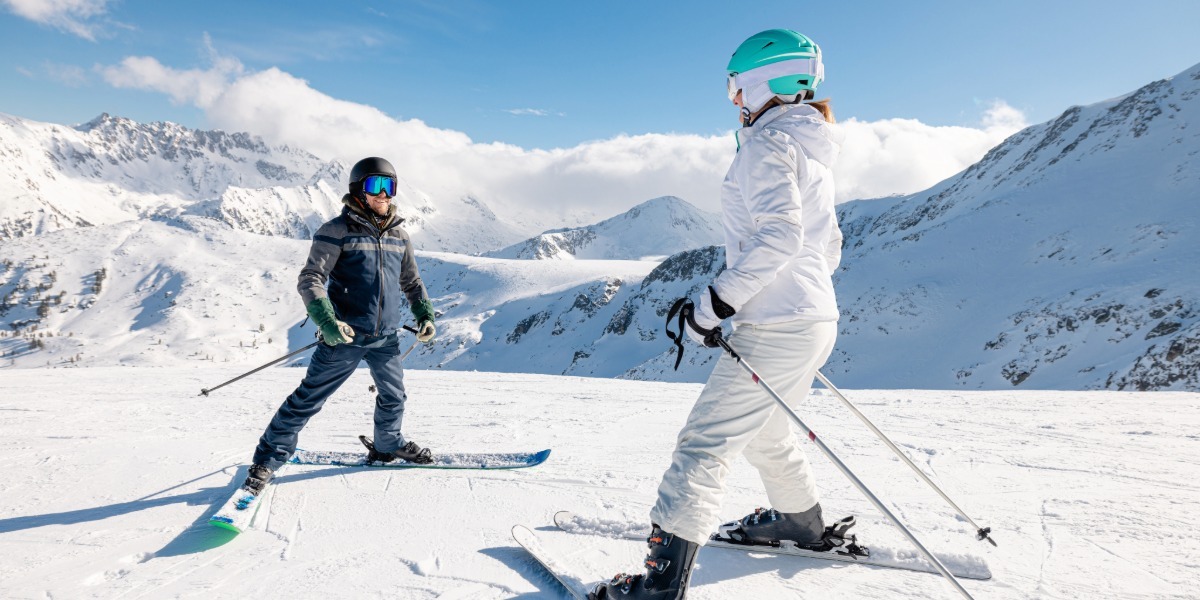
Learning how to ski is one of the most rewarding outdoor experiences you can have. It challenges your body and mind, connects you to nature, and gets you moving with purpose. But if you are new to skiing, getting started can feel intimidating.
This guide breaks down the essentials for beginners — from basic stance and balance to comfortable boots and early turn technique. By the end, you’ll understand the core fundamentals that will make your first days on snow smoother and more confident.
1. Start with the Right Gear
Before you learn how to ski, you need equipment that fits correctly.
Ski Boots and How to Adjust Them
Proper ski boot fit is critical. Ill-fitting boots make it hard to balance, turn, and stay comfortable.
• Make sure your boots fit snugly but not painfully
• Your heel should not lift inside the boot when flexing forward
We highly recommend getting your ski boots fit by a professional. Comfortable boots mean you can focus on balance instead of discomfort.
2. Basic Ski Stance and Balance
Balance is the foundation of good skiing. Without it, turns feel wobbly and unstable.
Stance Fundamentals
When learning how to ski, start with this base position:
• Feet about hip-width apart
• Knees slightly bent
• Weight over the middle of your skis
• Shoulders relaxed and facing downhill
• Hands forward and visible
This athletic position keeps you balanced and ready to move.
How to Balance While Skiing
Balance is not static. Good skiing balance means dynamic stability — adjusting as the snow and terrain change.
Here are key balance principles:
• Stay forward on your skis — not leaning back
• Micro-bend your ankles and knees to absorb bumps
• Keep your core engaged
• Think of your hips and feet as partners, not separate
Women, on average, carry a lower center of gravity than men. This means our weight tends to naturally fall back over the tail of the ski; skiing requires active engagement of forward pressure to initiate and complete turns. Women's specific equipment is designed with this in mind, so prioritize renting women's specific skis whenever possible.
3. Get Comfortable on Snow
Before you try turns, get ready with snow-friendly movements.
Side Slipping
Slide down the slope sideways with your skis perpendicular to the fall line.
This builds comfort with gliding and edge feel.
Wedge / “Pizza” Position
Tip the inside edges of your skis into the snow to create a wedge.
This slows you down and helps you control speed safely.
Both moves reinforce balance and confidence on snow.
4. Learn Turning Basics
Turning is the heart of skiing. It helps you control speed and direction.
How to Initiate a Turn
-
Start in your balanced stance
-
Look where you want to go
-
Slightly shift your weight to the downhill ski
-
Roll your ankles and knees toward that ski
-
Let your edges bite and guide the turn
Beginners often learn snowplow turns first — slowly closing the wedge shape as they gain confidence to link turns.
5. How to Improve Skiing Balance
Improving skiing balance takes practice both on and off the snow.
On Snow Tips
• Drill short, rhythmic turns
• Practice small bumps and gentle terrain
• Keep your hands forward
• Let your skis slide on soft edges
Off Snow Tips
Balance work improves skiing fast:
• Single-leg balance exercises
• Bosu or balance board drills
• Slide board exercises
• Yoga and core stability workouts
Better balance equals more confidence and less fatigue.
6. Why Ski Lessons Matter
Yes, you can learn on your own — but ski lessons accelerate progress.
A trained instructor teaches:
• Correct balance early
• Turn mechanics instead of compensation patterns
• Proper weight distribution
• Safety habits
Women often benefit from coaching that emphasizes body awareness and neutral alignment rather than forceful technique. The result? Better control with less effort.
7. Women-Specific Skiing Tips
Women often have differences in:
• Lower body strength distribution
• Lower center of mass
• Hip structure
These world-class ski instructors around the world emphasize engagement over leverage. That means skiing from the feet up — guiding balance with ankles, knees, and hips working together.
Women’s specific ski equipment (skis, boots, bindings) often reflects this by:
• Slightly lighter materials
• Softer, more responsive flex patterns
• Forward-moved mounting positions to help stay balanced
• Boots shaped for lower body mass
When your gear supports your natural balance, learning how to ski becomes easier.
8. Common Beginner Mistakes
Avoid these early pitfalls:
• Leaning back — makes balance unstable
• Gripping poles too hard — shifts your center
• Looking at your feet instead of downhill
• Trying terrain that’s too steep too soon
Balance flows from posture, not brute force.
9. How to Fall Safely
Falling is part of learning.
Safe fall practices:
• Keep your limbs relaxed
• Tuck your poles in
• Try to fall to your downhill side
• Avoid twisting joints
Getting back up is also a skill — a balanced one.
10. Confidence Comes from Repetition
Every turn trains muscle memory.
Every run reinforces balance.
Every confident stance builds momentum.
Like any sport, skiing is about patterns. Today’s balance drills become tomorrow’s fluid turns.
The Bottom Line
Learning how to ski is not about being fearless. It is about building balance, control, and confidence one turn at a time.
If you focus on:
• A strong athletic stance
• Staying centered over your skis
• Practicing balance on gentle terrain
• Wearing properly fitted ski boots
• Getting guidance when you need it
You will improve faster than you think.
The truth is, good skiing starts with balance. When you understand how to balance while skiing and how to improve skiing balance, everything else becomes easier - smoother turns, better control, less fatigue, and a lot more fun.
And if you are unsure whether your boots, skis, or setup are helping or holding you back, come see us at outdoor DIVAS. Properly adjusted boots and the right equipment make a huge difference, especially for women who deserve gear built around their bodies and biomechanics.
Because skiing is not about surviving the mountain. It is about enjoying it. One confident turn at a time.