How to Choose Ski Pants: A Real-World Guide to Staying Warm, Dry, and Comfortable
Jan 21st 2026
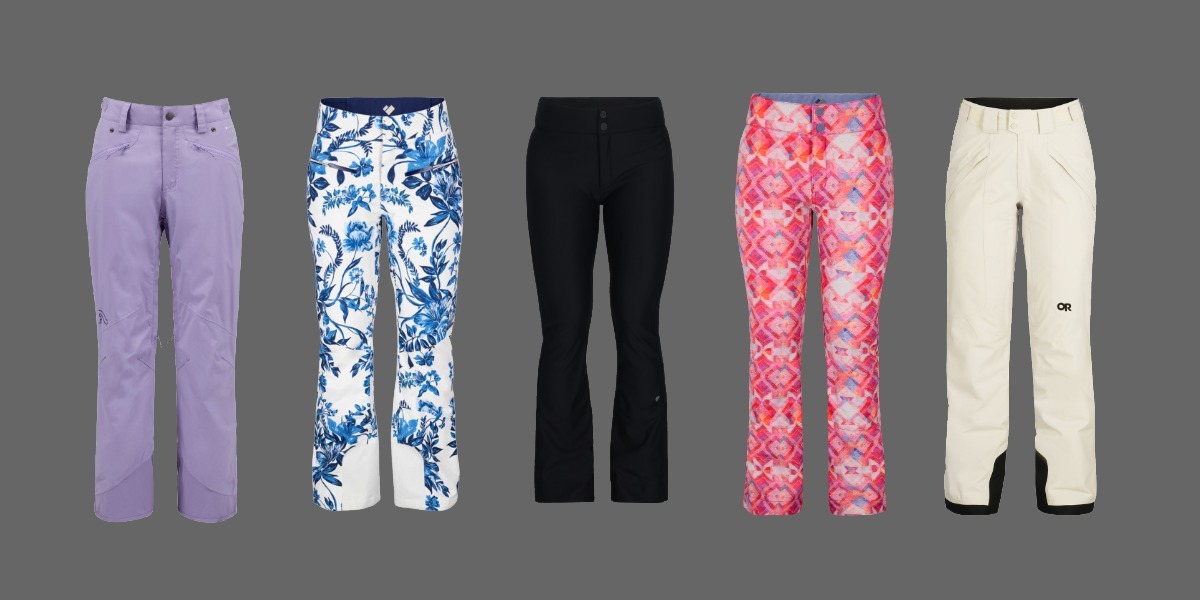 While you’re chasing fresh lines, lapping the mountain, or hiking for that secret stash, your ski pants are doing a lot of behind-the-scenes work. They’re protecting your lower body from snow, wind, and moisture — and if you choose the wrong pair, you’ll feel it fast.
With so many fabrics, fits, and features out there, picking ski pants can feel overwhelming. But don’t worry — this is one of those decisions where a little knowledge goes a long way. Here’s how to choose ski pants that actually match how, where, and why you ski.
Why Ski Pants Matter More Than You Think
Great ski pants do three essential things:
-
Keep you dry in falling snow, chairlift drips, and powder spills
-
Regulate temperature so you don’t overheat or freeze
-
Move with you, not against you
We know the truth: ski pants aren’t one-size-fits-all. Climate, skiing style, and personal comfort matter — a lot.
Waterproofing: What Those Numbers Actually Mean
Most ski and snowboard pants fall between 5,000 mm and 20,000 mm of waterproofing. The higher the number, the more water pressure the fabric can handle before moisture seeps through.
General Waterproofing Guide
-
5K–10K: Light use, fair weather, occasional skiing
-
10K–15K: Solid all-around resort skiing
-
20K+: Wet snow, frequent storms, long days on snow
Some premium fabrics — like GORE-TEX® or eVent® — don’t always list exact numbers, but are known for high performance and durability.
Seam Taping Matters
-
Fully taped seams = best protection
-
Critically taped seams = lighter and often more affordable
Climate Counts
-
Wet regions (Pacific Northwest, East Coast): go higher waterproof + fully taped seams
-
Drier climates (Colorado, Utah): you can often get away with less
Bottom line: higher waterproofing usually means higher cost — but it’s worth it if you ski often or in wet conditions.
Warmth: Insulated, Shell, or Somewhere in Between
Leg warmth is personal — and surprisingly flexible.
Shell Pants
-
No insulation (just a shell + lining)
-
You control warmth with layers
-
Extremely versatile across seasons
Great if you:
-
Layer strategically
-
Ski varied conditions
-
Don’t like bulky pants
Unlined / Technical Shells
-
Lightweight and ultra-breathable
-
Designed for backcountry or high-output days
Insulated Pants
-
Built-in synthetic insulation
-
Easy, grab-and-go warmth
Remember: your legs warm up once you start moving. Most skiers don’t need as much insulation in pants as they think — your core does the heavy lifting.
Key Features Worth Paying Attention To
Not every bell and whistle matters — but these do.
Built-In Gaiters
A must. Gaiters sit inside the cuff and seal snow out of your boots. Look for:
-
Secure elastic
-
Boot hooks
-
Easy access via zippered cuffs
(Always wear gaiters over your boots — never tucked inside.)
Venting
Zippered vents let you dump heat when you’re working hard or hiking.
-
Most common: inner-thigh vents with mesh
-
Technical pants may feature full-length side zips
If you ski fast, hike, or tend to overheat — vents are non-negotiable.
Jacket-to-Pant Connection
Some brands offer snap or zip systems that connect pants to jackets, creating a snow-proof seal. This can be a game-changer on deep days.
Pockets
Think about how you ski:
-
Backpack wearer? Hand pockets may be enough
-
No pack? Cargo pockets are clutch for snacks, phone, or lip balm
Cuff Reinforcement
Extra-durable fabric at the cuffs protects against:
-
Ski edges
-
Boots
-
Crampons
Ski-specific pants usually reinforce the inner cuff, while snowboard pants often reinforce the back.
RECCO® Reflectors
Some pants and bibs include a built-in RECCO® reflector, which can help search and rescue teams locate you in certain scenarios. Important note: this does not replace an avalanche beacon, but it’s a helpful backup safety feature.
To Bib or Not to Bib?
Bibs offer:
-
Extra protection from snow down the back
-
No waistband pressure
-
Added warmth and wind protection
Trade-offs:
-
Heavier
-
Pricier
-
Bathroom logistics
Modern bibs solve a lot of problems with drop-seat zippers (yes, ladies — lifesaving). Some even convert into pants for ultimate versatility.
The Bottom Line
Choosing ski pants isn’t about trends — it’s about comfort, conditions, and confidence. When you understand waterproofing, warmth, and features, it’s easy to narrow in on the right pair.
The best ski pants are the ones you forget you’re wearing — because you’re warm, dry, and focused on skiing your heart out.
And if you ever want help dialing it in? That’s exactly what we’re here for.