Mountain Guide to Colorado by outdoor DIVAS : Breckenridge
Sep 23rd 2026
A Perfect Day in Breckenridge, Colorado: Historic Charm, Alpine Adventure & Legendary Skiing
Few Colorado mountain towns blend big-mountain skiing, genuine history, and a lively downtown as effortlessly as Breckenridge.
Founded during the Colorado Gold Rush in 1859, Breckenridge grew from a rough mining camp into one of the most recognizable ski towns in the country. Its colorful Victorian buildings, narrow side streets, and preserved mining landmarks still give the town a sense of place that newer resort villages cannot recreate.
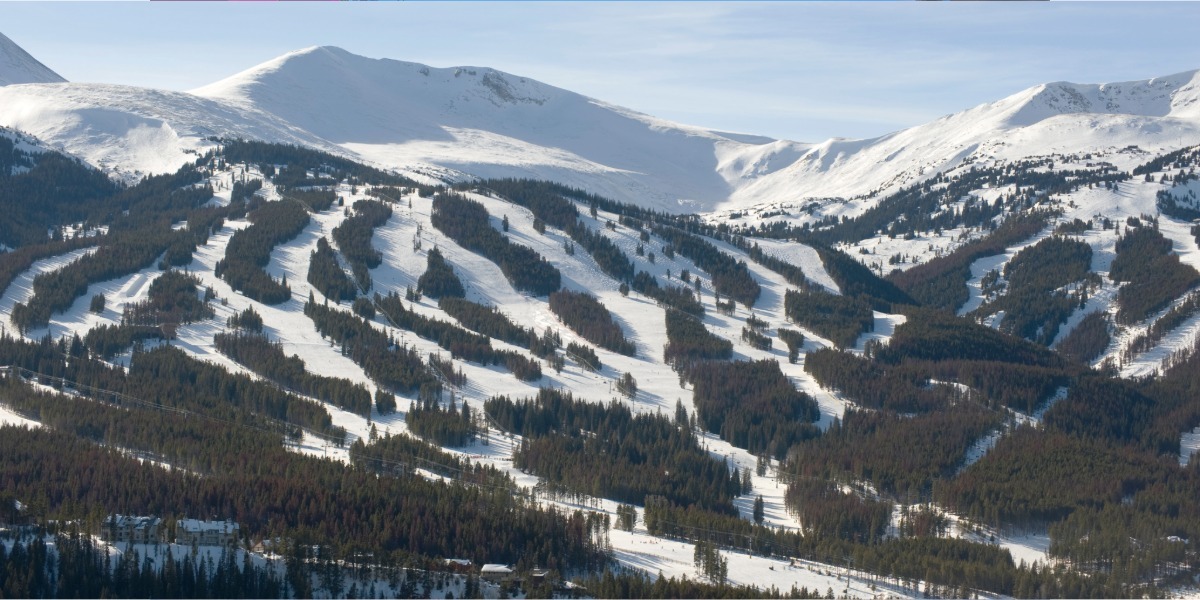
Winter is when Breckenridge truly comes alive. Five interconnected peaks rise directly above town, the free gondola carries skiers from downtown to the mountain, and Main Street fills with snow-covered lights, steaming coffee cups, après-ski crowds, and people still wearing their ski boots long after the lifts close.
And skiing is only the beginning. Nordic skiing, snowshoeing, sledding, fat biking, dog sledding, sleigh rides, ice skating, snowcat tours, and historic mine experiences make Breckenridge an easy winter destination even when not everyone in the group wants to ski.
Whether you are planning a full ski week, a winter weekend, or a day trip from elsewhere in Summit County, Breckenridge offers far more than one perfect day.
Start the Morning on Historic Main Street
Breckenridge has one of Colorado's most walkable and best-preserved mountain-town downtowns.
Historic Main Street is lined with brightly painted Victorian buildings that now house independent boutiques, ski shops, galleries, cafés, bakeries, breweries, and restaurants. Snowbanks pile up along the sidewalks in winter, the Tenmile Range rises at the end of the street, and the entire downtown feels connected to the mountain.
If you are skiing, start early. Grab coffee and breakfast, then walk or take the free bus to the BreckConnect Gondola. The gondola links town with the bases of Peaks 7 and 8, so you can leave the car parked and begin the day without navigating resort traffic.
If you are not skiing, Main Street is worth enjoying before the afternoon crowds arrive. Wander the side streets as well as the main corridor. Breckenridge's historic district contains hundreds of structures, and some of the most interesting cabins, churches, and old mining-era homes sit just beyond the busiest blocks.
Ski Five Peaks on One Remarkably Varied Mountain
Breckenridge Ski Resort is enormous, but its layout makes more sense once you think of it as five distinct mountains connected side by side. It is also one of the most varied destinations in our outdoor DIVAS guide to where to ski in Colorado.
The resort spans 2,908 acres across Peaks 6, 7, 8, 9, and 10, with 187 trails, 35 lifts, and terrain reaching 12,998 feet. An impressive 40 percent of the skiable acreage sits above treeline, which is a major reason Breck feels so different from many Colorado resorts.
The scale is part of the fun, but it also rewards a little planning. Rather than trying to cross the entire resort in one day, choose a peak that fits your group and explore it well.
Peak 9: Best for Beginners and Mixed-Ability Groups
Peak 9 is one of the most approachable places to begin. Its lower mountain includes dedicated learning terrain and long, gentle green runs, while nearby blue and black trails let more experienced skiers branch off without sending the group to a completely different part of the resort.
This is a good base for families, first-time skiers, and groups with different ability levels. If someone in your group is brand new to the sport, our beginner's guide to learning how to ski covers basic stance, balance, turning, equipment, and what to expect on those first days. The Peak 9 base is also close to the south end of Main Street, making it easy to move between the mountain and town.
One thing to know: some beginner routes become busy late in the day as skiers use them to return to the base. Newer skiers may be happier downloading or heading down a little earlier instead of joining the final rush.
Peak 7: Long, Flowing Intermediate Cruisers
Peak 7 is a favorite for confident intermediate skiers who love wide, rolling groomers. The terrain is playful without being overly intimidating, and many runs are long enough to settle into a rhythm rather than stopping every few minutes.
On a clear morning, this is a wonderful place to warm up, build confidence, and rack up vertical. It is also easy to reach from town on the gondola. Because Peak 7 is so popular, arriving early is worthwhile, especially on weekends and holidays.
Peak 8: The Heart of Breckenridge
Peak 8 is the resort's central hub and the place where Breck's personality is most obvious. It offers beginner areas, terrain parks, groomers, moguls, steeps, and access to the high alpine.
This is also the gateway to the Imperial Express SuperChair, the highest chairlift in North America. The lift climbs to 12,840 feet and opens access to expansive alpine terrain beneath the summit of Peak 8. From there, advanced skiers can explore steep bowls and, when conditions and patrol allow, hike higher for additional terrain.
Do not let the lift access create a false sense of ease. Breck's upper mountain is exposed, wind-affected, and demanding. Visibility can change quickly, and the elevation is significant. Check the day's terrain status, follow patrol signs, and save the high alpine for a clear day when your legs and skills are ready.
Peak 10: Steeps, Bumps, and Strong-Skier Terrain
Peak 10 is made for advanced skiers who want sustained pitches, moguls, gladed terrain, and fewer casual cruisers. It has a more focused feel than the busier central peaks, and it is an excellent place to spend a few hours when snow conditions are good.
The runs here are not simply short expert pitches followed by a long runout. Many demand consistent technique from top to bottom. If your idea of a great ski day includes bumps, trees, and challenging laps, Peak 10 deserves time.
Peak 6: A Taste of the High Alpine
Peak 6 expanded Breckenridge's lift-served high-alpine experience and is one of the mountain's most memorable areas. The Kensho SuperChair reaches wide-open bowls and sweeping views, with intermediate and advanced options that feel adventurous without all requiring a hike.
Strong intermediates can experience above-treeline skiing here, but conditions matter. Wind, flat light, variable snow, and the lack of trees can make the terrain feel more difficult than its trail rating suggests. When the sky is clear and the snow is soft, Peak 6 is spectacular. When visibility disappears, lower mountain tree-lined runs may be the better choice.
Understand the Breckenridge Ski Experience Before You Go
Breckenridge's elevation helps preserve snow and supports a long season, but it also affects visitors. The town sits around 9,600 feet, and the ski terrain rises close to 13,000 feet. Hydrate before the trip, go easy on alcohol the first evening, eat a real breakfast, and give yourself time to acclimate. A pounding headache, nausea, unusual fatigue, or shortness of breath should not be ignored.
Weather also changes dramatically from the base to the summit. A sunny morning in town can become windy and cold above treeline. Wear a moisture-wicking base layer, an insulating midlayer, and a waterproof shell. Our guide to what to wear skiing explains how to build the right layering system without simply piling on more clothes.
Keep a low-light goggle lens handy and never underestimate a small piece of protective gear. There is a reason we never ski without a neck gaiter, especially on Breck's exposed upper mountain.
The mountain is busiest on weekends, holidays, and powder mornings. Arrive early, use the official terrain and lift status page, and avoid repeatedly crossing from one end of the resort to the other. Breck is far more enjoyable when you ski one or two neighboring peaks well.
For first-time visitors, a lesson can be valuable even if everyone already knows how to ski. An instructor can help with technique while also showing you how to navigate a very large mountain efficiently.
Make sure your boots are helping rather than hurting. At outdoor DIVAS, we believe proper ski-boot fit matters more than most skiers realize. A day spent fighting heel lift, numb toes, or pressure points feels especially long on a mountain this large.
Explore Breckenridge Beyond Alpine Skiing
One of Breckenridge's greatest strengths is how much there is to do away from the resort. A non-skier can have a full winter vacation here without feeling like she is simply waiting for everyone else to finish skiing.
Cross-Country Skiing and Snowshoeing
Breckenridge has two Nordic centers and more than 50 kilometers of groomed cross-country skiing and snowshoeing trails between them.
The Breckenridge Nordic Center is tucked into the forest near Peak 8 and offers classic skiing, skate skiing, snowshoe trails, rentals, lessons, and guided experiences. Its trail system winds through spruce forest and historic mining terrain, making it feel removed from the resort even though it is close to town.
The Gold Run Nordic Center occupies the snow-covered Breckenridge Golf Club north of town. It offers more than 20 kilometers of groomed classic and skate trails, plus snowshoeing, fat biking, backcountry routes, and select dog-friendly trails.
Nordic skiing is one of the best active recovery options after several alpine days. You still get outside and move through the snow, but the pace can be quieter and more conversational. Beginners should consider a lesson. Classic cross-country skiing looks intuitive, but a little instruction makes the day far more enjoyable.
Winter Hiking and Snowshoe Trails
Many familiar summer trails remain accessible in winter, but snow depth, traction, and avalanche exposure matter. Packed routes closer to town can work well with winter boots and traction devices, while deeper or less-traveled trails may require snowshoes.
The safest choice for visitors unfamiliar with the area is a marked Nordic-center route or guided snowshoe tour. Backcountry winter travel is different from taking a snowy walk. Never assume a popular summer trail is free from avalanche terrain, and check conditions before venturing beyond maintained areas.
Sledding at Carter Park
Carter Park, just a few blocks east of Main Street, has Breckenridge's best-known public sledding hill. It is simple, close to town, and a great option for families or anyone who wants an hour of old-fashioned winter fun.
Bring a sled, dress for repeated walks back uphill, and remember that the hill can become fast and crowded. Helmets are a smart idea for children, and adults often discover that sledding is much less gentle than they remember.
Dog Sledding and Snowmobiling
The Swan River Valley northeast of town is home to guided dog-sled and snowmobile tours. Dog sledding allows guests to experience the trail behind a team of huskies, often rotating between driving, riding in the sled, and traveling with the guide. Snowmobile tours range from scenic beginner outings to faster backcountry experiences.
These activities book early during holiday periods. Confirm age, weight, clothing, and driver-license requirements directly with the outfitter, and expect temperatures to feel much colder once you are moving.
Sleigh Rides and Scenic Snowcat Tours
For a slower winter experience, book a horse-drawn sleigh ride through the forest. Some outings include dinner or live entertainment, while others focus on the scenery and quiet of the snowy landscape.
The Breckenridge Nordic Center also offers a heated scenic snowcat experience through forested terrain to a historic mining cabin, with stories, cocoa, and s'mores. It is a particularly good option for multigenerational groups or anyone who wants a mountain experience without skiing or snowshoeing.
Ice Skating and Indoor Options
The Stephen C. West Ice Arena offers public skating and other scheduled ice activities. It is a reliable choice when legs need a break from skiing or the weather turns harsh.
Breckenridge also has museums, galleries, shops, a recreation center, and arts programming, so a stormy afternoon does not have to become a lost day.
Ride the BreckConnect Gondola
Even if you are not skiing, the BreckConnect Gondola is part of the Breckenridge experience.
The free gondola rises from the edge of downtown to Peaks 7 and 8, offering views over town and toward the surrounding mountains. It also makes Breckenridge feel unusually connected. You can finish breakfast on Main Street, walk to the gondola, and reach the ski area without getting into a car.
Operations are seasonal and weather-dependent, so check current hours before promising a ride to non-skiers.
Make Time for Après-Ski and Main Street
Breckenridge has a true town at the bottom of the mountain, not just a collection of slopeside restaurants. That distinction matters after skiing.
You can stop for a quick drink near the base, then head into town for dinner, shopping, or a walk beneath the lights. Main Street ranges from casual pizza and pub food to polished dining, and the side streets contain many of the town's most inviting spots.
Reservations are wise during ski season, especially between Christmas and New Year's, Presidents Day weekend, and spring break. If you prefer a quieter evening, eat early or explore restaurants a block or two away from the busiest stretch of Main Street.
Remember that alcohol feels stronger at 9,600 feet, particularly after a full ski day. A glass of water and something substantial to eat can make the next morning much happier.
Discover Breckenridge's Gold Rush History
Breckenridge owes its existence to gold, and winter does not erase that story.
Prospectors arrived in the Blue River Valley in 1859, and mining shaped the town for generations. Today, the Breckenridge Welcome Center and Museum offers an easy introduction to local history right on Main Street. Historic walking tours, museum sites, and preserved buildings reveal the Breckenridge that existed long before chairlifts.
At the Country Boy Mine, visitors can explore the area's mining heritage through guided experiences, including underground mine tours. Hours and offerings vary by season, so check ahead.
Learning even a little of the town's history changes the way Breckenridge feels. The narrow lots, old cabins, and curious street grid stop looking like decorative ski-town charm and begin to tell the story of an actual mining community.
Getting Around Breckenridge in Winter
You do not need to drive everywhere once you arrive.
The Town of Breckenridge operates the Breck Free Ride, a fare-free bus system connecting neighborhoods, downtown, parking areas, and ski-resort bases. The regional Summit Stage connects Breckenridge with other Summit County communities and ski areas.
If your lodging offers a shuttle, use it. Winter parking near the mountain can be limited and expensive, and snowy traffic at the beginning and end of the ski day adds unnecessary stress. Lodging within walking distance of Main Street or directly on a bus route can be worth the premium.
Driving from the Front Range requires patience. Interstate 70 and Highway 9 can slow dramatically during storms and peak travel periods. Carry appropriate winter equipment, monitor road conditions, and avoid planning a tight arrival around a lesson or dinner reservation.
A Winter Day in Breckenridge
If you have only one day, begin with coffee and breakfast on Main Street, then catch the gondola early. Ski Peak 7 groomers while the snow is fresh, move toward Peak 8 for a few more challenging laps, and head higher only if visibility and conditions are good.
Stop before your legs are completely finished. Return to town, change out of ski boots, and spend the late afternoon wandering Main Street or learning about Breckenridge's mining history. Finish with dinner downtown and a snowy walk beneath the lights.
For a non-ski day, start with a Nordic lesson or guided snowshoe tour, warm up over lunch, then choose between sledding, skating, a mine tour, or a scenic snowcat ride. Breckenridge is one of the rare ski towns where that alternate day feels like a real itinerary, not a consolation prize.
When Winter Gives Way to Summer
Breckenridge deserves its winter reputation, but it remains an exceptional warm-weather basecamp.
When the snow melts, trails lead toward Mohawk Lakes, McCullough Gulch, Sawmill Reservoir, Boreas Pass, and the Peaks Trail. Wildflowers spread across the mountainsides in midsummer, aspens turn gold in fall, and mountain bikers gain access to miles of forest roads and singletrack.
Nearby Quandary Peak is one of Colorado's best-known fourteeners, while Mount Lincoln, Mount Democrat, Mount Bross, and Mount Cameron rise farther south near Alma. These are serious high-elevation objectives, not casual hikes. Start early, research access and parking requirements, carry layers, and plan to descend before afternoon thunderstorms build.
Breckenridge also provides access to backcountry hut trips in the surrounding high country. Winter hut travel requires avalanche knowledge, route planning, and appropriate equipment, while summer hut trips offer a different way to experience the mountains on foot or bike.
Why We Love Breckenridge
At outdoor DIVAS, we love mountain towns with enough substance to reward repeat visits.
Breckenridge is busy and energetic, but its scale creates choices. You can ski quiet trees on Peak 10, cruise Peak 7, climb into the high alpine, spend the afternoon on Nordic trails, or skip the mountain entirely and explore downtown. Beginners can find forgiving terrain, experts can seek out bowls and steeps, and non-skiers have a long list of genuine winter adventures.
Most of all, Breckenridge feels like both a ski resort and a Colorado town. The mountain is world-class, but the mining history, Victorian streets, local businesses, and year-round community give it a personality beyond the lifts.
Local Tip
Do not try to ski all five peaks simply to say you did it. Choose terrain that fits the weather and your ability, then give yourself time to explore it. On a clear day, head toward the high alpine. During wind or flat light, stay lower and use the trees for definition and shelter.
Leave the car parked whenever possible. The gondola, Breck Free Ride, lodging shuttles, and walkable downtown make winter travel much easier.
The Bottom Line
Breckenridge combines Colorado's most recognizable ski-town ingredients in one place: five peaks of varied terrain, dramatic high-alpine skiing, a walkable historic downtown, deep mining roots, and enough winter activities to keep skiers and non-skiers equally busy.
Come for the legendary skiing, but make time for the rest of Breck. Glide through the forest on Nordic skis, snowshoe past old mining sites, take the kids sledding, ride beneath the stars in a horse-drawn sleigh, or simply walk Main Street while snow falls over the Tenmile Range.
Breckenridge may be one of Colorado's best-known mountain towns, but it still has plenty to discover.
Explore More Mountain Town Guides to Colorado by outdoor DIVAS
Every Colorado mountain town has its own story. Some are known for legendary skiing, others for hot springs, wildflowers, historic downtowns, scenic drives, or unforgettable hiking trails. Explore our Mountain Town Guides to Colorado by outdoor DIVAS and discover new places to add to your Colorado adventure list.
Aspen • Beaver Creek • Breckenridge • Buena Vista • Carbondale • Crested Butte • Durango • Estes Park • Frisco • Georgetown • Glenwood Springs • Grand Lake • Leadville • Minturn • Ouray • Steamboat Springs • Telluride
More guides are coming soon.
Adventure Starts Here
Whether you're planning a weekend getaway, chasing fall colors, hiking a fourteener, skiing fresh powder, or exploring a mountain town you've never visited before, having the right gear helps you stay comfortable, confident, and ready for whatever the day brings.
At outdoor DIVAS, we've spent more than 20 years helping women enjoy Colorado's mountains in every season. Our team personally tests the apparel, footwear, and gear we carry because we use it ourselves on the same trails, ski slopes, rivers, and mountain towns you'll find throughout these guides.
Visit outdoor DIVAS in Lionshead Village in Vail, or browse our carefully curated collection online. We'd love to help you find your next favorite piece of gear before your next Colorado adventure.