Why We Never Ski Without a Neck Gaiter
Sep 2nd 2026
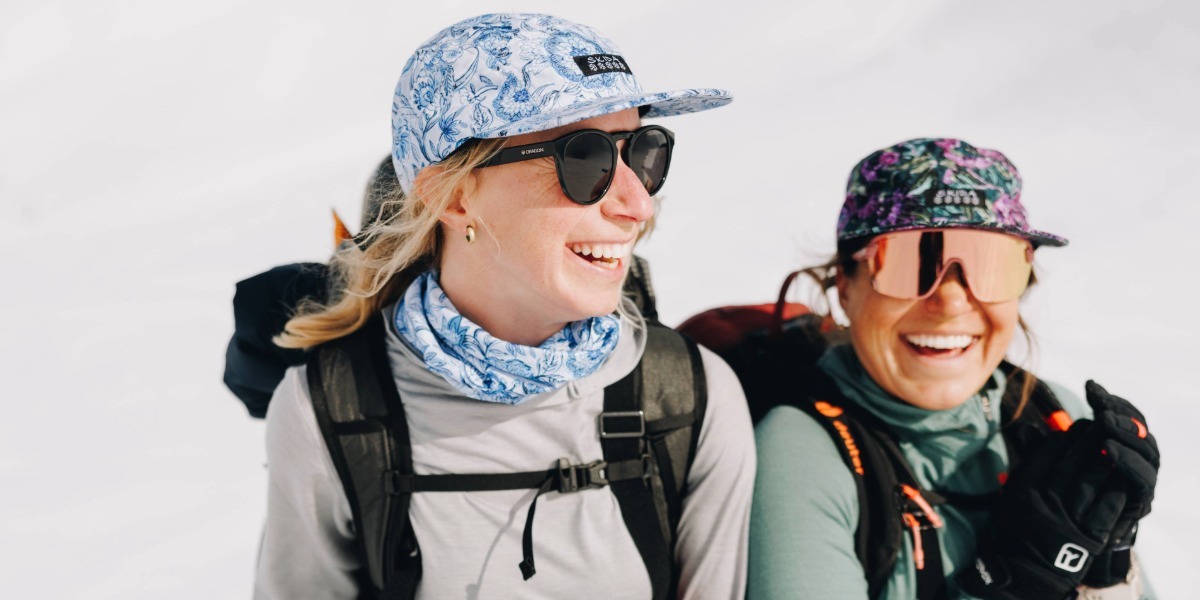
There are glamorous pieces of ski gear. Skis, boots and jackets tend to get most of the attention. Then there is the humble neck gaiter: a small tube of fabric that costs far less, takes up almost no room and can completely change the trajectory of a cold ski day.
At outdoor DIVAS, we nearly always have one on. And if we are not wearing it, there is one stuffed in a pocket.
Why? Because mountain weather has a habit of changing its mind. The morning can begin bluebird and calm, then turn windy, snowy or sharply colder by lunch. A neck gaiter gives you instant coverage without adding bulk or requiring a trip back to the car. Pull it over your chin on a windy chairlift, cover your nose when snow starts flying, or tuck it down into your collar to seal the little gap where cold air always seems to find its way in.
It is one of the simplest ways to stay comfortable longer, and comfort is rarely a small thing when you are trying to enjoy a full day on the mountain.
What Does a Neck Gaiter Actually Do?
A good neck gaiter creates a flexible barrier between your skin and the elements. Depending on the fabric and construction, it can help:
-
Block wind from your neck, chin and lower face
-
Hold warmth around an area where jackets and helmets often leave a gap
-
Protect exposed skin from blowing snow and ice crystals
-
Move moisture away from your skin during active skiing or uphill travel
-
Add sun protection when the fabric carries a UPF rating
-
Keep long hair a little more contained under a helmet
It also lets you adjust quickly. Wear it low when you are warm, pull it over your chin on the lift, or bring it over your nose when the weather turns. That adaptability is exactly why we consider a neck gaiter an everyday ski essential, not just storm-day equipment.
One caution: if a gaiter gets damp from breath or snow, rotate it, lower it for a while or swap it for a dry one. Wet fabric sitting against your face can feel colder, and a soaked face covering is not doing its best work. On very cold days, carrying a second lightweight gaiter is a small luxury we fully support.
Neck Gaiter vs. Balaclava: What Is the Difference?
The two overlap, but they are not quite the same.
A neck gaiter is the versatile one
A neck gaiter is an open tube worn around the neck. You can pull it up over your lower face, bunch it for warmth, or tuck it under your jacket collar. Some lightweight versions can also become a headband or improvised hat.
Choose a neck gaiter if you:
-
Want something easy to raise and lower throughout the day
-
Tend to run warm
-
Like having multiple ways to wear one piece
-
Want the smallest possible layer to keep in a pocket
-
Prefer to wear a separate helmet liner or hat
For most ski days, this is our default. It provides coverage when you want it and disappears when you do not.
A balaclava is the full-coverage one
A balaclava combines head, ear, face and neck coverage in one fitted layer. Most ski-specific versions are thin enough to sit under a helmet, with an opening that can be positioned around the eyes or pulled below the chin.
Choose a balaclava if you:
-
Get cold around your ears, cheeks or forehead
-
Want your head and neck coverage to stay connected
-
Ski in wind, heavy snow or very low temperatures
-
Do not want a gaiter sliding down or leaving gaps
-
Prefer one smooth layer under your helmet
Fit matters. A balaclava should lie smoothly beneath your helmet without thick seams or bunching, and it should allow you to breathe comfortably. If goggle fogging is a recurring problem, look for breathable face fabric, a shaped mouth panel or a design that is easy to lower below your nose.
Neither style wins every time. A gaiter is more adaptable. A balaclava is more secure and protective. Some of us own both and decide after checking the weather, which may be the most honest answer.
Wool vs. Synthetic Neck Gaiters
This is another choice without a single correct answer. Both wool and synthetic fabrics can perform beautifully. The better material depends on how you ski, how warm you run and what feels good against your skin.
Why choose wool or a merino blend?
Merino wool is excellent at regulating temperature. It helps insulate in the cold, manages moisture and resists odor naturally, which is useful if you ski several days before doing laundry. Fine merino is much softer than the old-school wool many people remember.
A merino or merino-blend gaiter is a strong choice if you:
-
Want warmth without a heavy, bulky feel
-
Alternate between hard skiing and long lift rides
-
Prefer a natural performance fiber
-
Want odor resistance for travel or repeat wear
-
Often feel clammy in less breathable fabrics
If you are extremely sensitive to wool, do not assume every merino piece will feel the same. Blends can make a big difference. Le Bent combines merino wool with silky-soft rayon made from bamboo to create an itch-free next-to-skin feel for many people who normally avoid wool.
Our Le Bent Fractal Lightweight Neck Gaiter uses the brand’s lightweight 200gm Signature Blend, with four-way stretch, breathability, thermoregulation, odor resistance and UPF 50+ protection. For colder conditions, the Fractal Waffle Midweight Neck Gaiter adds a textured waffle construction for extra insulation while still allowing airflow.
Why choose synthetic?
Synthetic gaiters, commonly made with polyester, fleece and stretch fibers, tend to dry quickly, feel soft and stand up well to frequent washing. They can also deliver a lot of warmth for the price. Lightweight jersey works well for active days; fleece-lined versions add coziness for lift-served skiing and colder weather.
A synthetic gaiter is a strong choice if you:
-
Want fast drying and easy care
-
Prefer a very smooth feel against your face
-
Need something durable for daily use
-
Run warm and want a lightweight layer
-
Love color and prints as much as performance
The Skida Alpine Neckwarmer pairs a printed polyester outer with soft microfleece lining. It is warm, breathable and sewn in Vermont, with the joyful colors that make Skida instantly recognizable. Skida’s lighter Snow Tour Scarf is a good option for higher-output days or skiers who want less insulation.
Turtle Fur is another longtime cold-weather favorite. Its synthetic fleece pieces are soft, practical and easy to wear. The brand’s MaxClava offers head, ear and neck coverage in a single-layer microfleece balaclava that fits under a helmet and contains recycled material.
The synthetic tradeoff is that some fabrics may retain odor sooner than merino, especially after repeated high-output days. That is easily managed with regular washing, and for many skiers the quick-drying softness of synthetic is the deciding advantage.
The Neckwear Brands We Carry
We choose neckwear the same way we choose the rest of our ski equipment: not because one brand is right for every woman, but because different skiers need different things.
Skida
Skida makes technical neckwear and headwear with bold, joyful prints. The brand was born in Vermont ski culture, and many of its pieces are still sewn there. We love Skida for the balance of warmth, breathability and personality. The fleece-lined Alpine Neckwarmer is an easy everyday ski choice, while Skida balaclavas give you lightweight, helmet-friendly full coverage when the forecast calls for more.
Turtle Fur
Turtle Fur has been making cold-weather accessories in Vermont since 1982. The brand offers a broad range of fleece, technical and wool neckwear. We especially like its soft synthetic fleece options for skiers who want straightforward warmth, easy care and excellent value. Turtle Fur is also a good place to start if you are unsure whether you want a gaiter or balaclava because the line includes both simple tubes and full-coverage designs.
Le Bent
Le Bent is our choice for skiers drawn to the natural performance of merino but wary of itch. Its Signature Blend combines merino wool and rayon from bamboo for softness, temperature regulation, moisture management and odor resistance. The line includes lightweight and midweight gaiters as well as slim balaclavas with thoughtful stretch and breathability. The Le Bent Lightweight Balaclava is especially useful for skiers who want merino-blend coverage under a helmet without unnecessary bulk.
How to Choose the Right Neck Gaiter
Start with three questions:
How cold do you usually get? If you run cold or spend a lot of time riding lifts, try fleece, a midweight merino blend or a balaclava. If you run warm, choose a lightweight gaiter you can raise and lower easily.
How hard are you working? For touring, hiking and high-output skiing, prioritize breathability, moisture management and a lighter fabric. For lift-served skiing in cold weather, more insulation may feel better.
What texture do you like against your face? This matters more than any technical specification. Some people love plush fleece. Some prefer thin jersey. Others want merino’s temperature regulation but need the extra softness of a blend. The best gaiter is the one you will actually keep on when the wind starts blowing.
And make sure it works with the rest of your setup. Put on your helmet and goggles with the balaclava or gaiter if possible. Check for bunching at the back of your neck, pressure under the helmet and fabric pushing warm breath toward your lenses.
Small Gear. Very Big Difference.
A neck gaiter will not get the same attention as a new pair of skis. It may not even make it into your chairlift photo. But when the wind picks up at the top of the mountain, it is very often the piece of gear you will be happiest you brought.
Wear it from first chair. Stuff it in a pocket. Carry two on a powder day. We are not particular about the method.
We just rarely ski without one.
Shop women’s beanies and neckwear at outdoor DIVAS, or visit us in Lionshead Village in Vail and we will help you find the fabric, warmth and coverage that feel best for you.