Skiing is all about precision, control, and safety, and one of the most critical components in achieving these is the connection between your ski boots and bindings. Understanding the various types of ski boot soles and their compatibility with ski bindings is crucial for both performance and safety on the slopes. In this guide, we’ll explore the different ski boot sole types, their specific features, and how they align with various binding systems. We’ll also highlight the importance of replacement ski boot soles, particularly for women’s ski boots, to ensure maximum safety and performance.
The Importance of Ski Boot Soles
Ski boot soles serve as the crucial interface between the skier and the ski bindings, ensuring effective power transfer and control. The design and condition of these soles significantly influence skiing performance and safety. Worn or incompatible soles can lead to improper binding engagement, increasing the risk of unintended releases, falls, and injuries. Whether you’re an expert skier or just starting, maintaining your ski boot soles in good condition is essential for a safe and enjoyable experience on the mountain.
Types of Ski Boot Soles
There are several types of ski boot soles available, each designed for specific skiing styles and binding compatibilities. Understanding the differences between them will help you choose the right boots and ensure your bindings function correctly.
1. Alpine (ISO 5355) Soles
Alpine ski boot soles had been the norm for downhill skiing since 1978, when DIN codified the standard. ISO (International Organization for Standardization) adopted it in the early 1980s, creating the ISO 5333 standard dimensions and requirements. These soles are flat and rigid, designed for maximum power transfer and stability. They are compatible with most traditional alpine ski bindings but are not suited for touring or hybrid bindings. If your alpine boot soles become worn down, replacing them with certified replacement ski boot soles is necessary to maintain proper binding engagement and skier safety.
2. GripWalk (ISO 23223) Soles
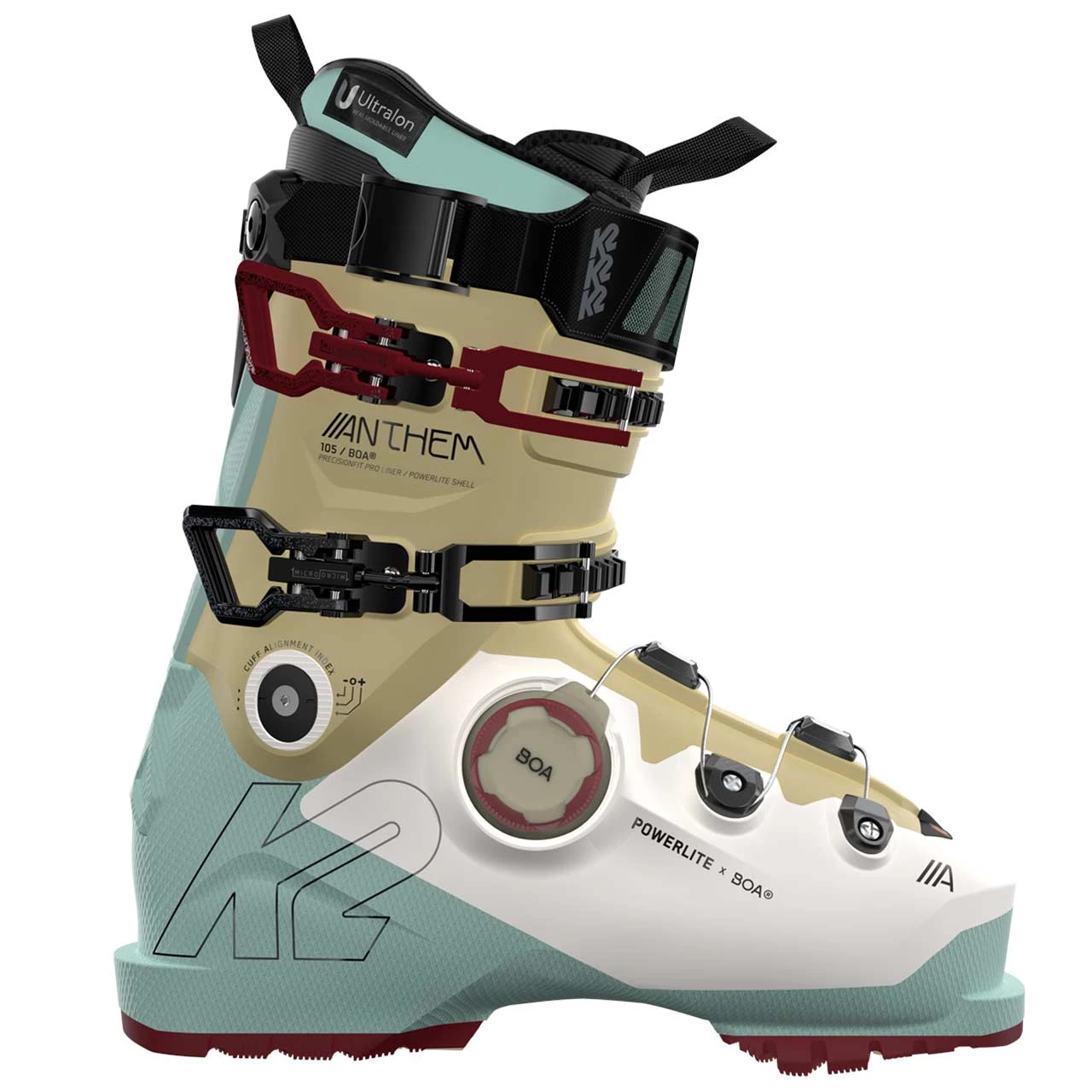
Gripwalk soles were developed in 2016. In 2021, GripWalk was officially standardized by the ISO under the new designation ISO 23223. GripWalk soles have been adopted by all major boot and binding manufacturers. These soles feature a slightly rockered design with a rubberized surface, which enhances walking comfort and traction on slippery surfaces. However, GripWalk soles require GripWalk-certified bindings or bindings designed to accommodate both Alpine and GripWalk soles. Women’s ski boots frequently incorporate GripWalk soles, making it essential to check for compatibility when purchasing new boots or bindings.